Ask ten riders what makes a good lid and you will get ten answers, but almost all of them start in the same place: understanding the main motorcycle helmet types before you spend a cent. The shape on your head decides how protected you are in a crash, how tired you feel after a long day, and whether you actually enjoy putting it on. A helmet that looks great in a photo can be miserable at highway speed, so it pays to know what each style is built for.
The good news is that the categories are not complicated once you see how they trade protection for convenience. Below is a plain look at the options, how to get the fit right, and how to read the safety information that actually matters.
The full face motorcycle helmet, and why it sets the standard
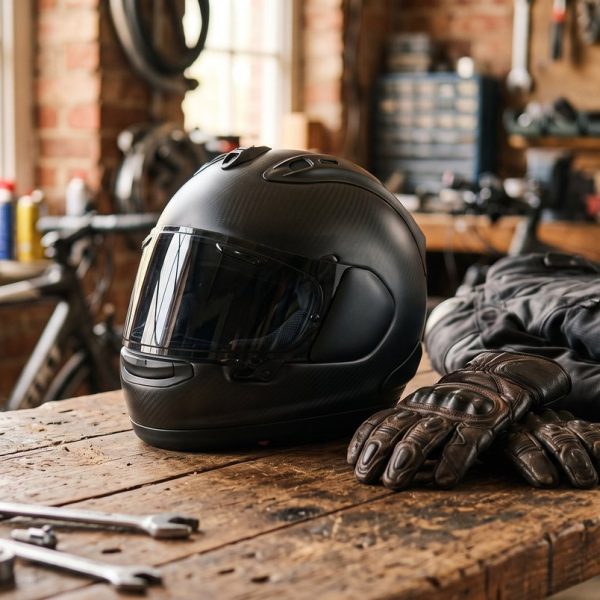
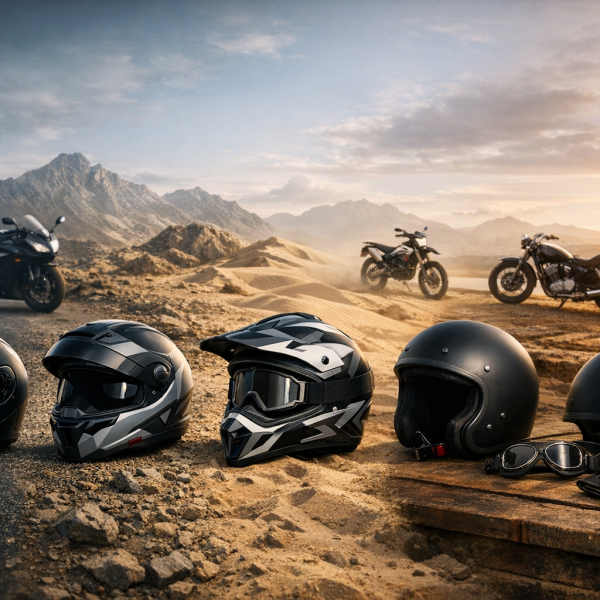
The full face motorcycle helmet covers your entire head, including the chin bar, and it remains the benchmark for crash protection. Research into impact data has long shown that the chin and jaw take a serious share of hits, which is exactly the area an open design leaves exposed. A full face shell also cuts wind noise, keeps rain and grit out of your eyes, and seals in warmth on cold mornings.
The trade off is ventilation and a slightly closed in feeling that some new riders need time to get used to. Modern models answer this with adjustable vents and removable, washable liners, so a well chosen full face is far more comfortable than the heavy helmets of twenty years ago.
Modular, open face, and the rest
A modular motorcycle helmet looks like a full face but has a chin bar that flips up. That makes it popular with tourers and commuters who want to take a sip of water or talk at a fuel stop without removing the whole thing. The hinge adds a little weight and a few extra seams, so a modular usually is not quite as quiet or as light as a dedicated full face, but the flexibility wins a lot of people over.
Open face helmets, sometimes called three quarter helmets, cover the top, back, and sides of the head but leave the face exposed. They are airy and great for slow town riding, though they give up chin protection entirely. Half helmets offer the least coverage of all and suit cruiser riders who prioritise a classic look. Off road and dual sport helmets round out the field with a pronounced peak and an open chin area designed to be paired with goggles.
Getting the fit right
The best motorcycle helmet on paper is useless if it does not fit your head. Measure the circumference just above your eyebrows and compare it to the maker's chart, since sizing varies between brands. When you try one on, it should feel snug all the way around with no pressure points, and the cheek pads should hug your face without letting the helmet rock side to side.
Helmet choice follows riding style, and riding style follows the roads you actually have access to. Riders who move away from heavy traffic often find their preferences shift toward comfort and touring rather than commuter practicality. That change usually arrives with relocation, and the best small towns in america tend to sit on the kind of roads that make it happen.
Wear it for several minutes in the shop. A spot that feels fine for thirty seconds can turn into a headache after an hour. Remember that the padding breaks in slightly with use, so a helmet that is a touch firm when new is usually a better long term choice than one that feels loose on day one.
Safety ratings and what they really mean
Every helmet sold for road use should meet a recognised safety standard, and the label inside tells the story. Certifications such as DOT, ECE, and the stricter Snell rating each test for impact absorption and retention in their own way. If you want to understand how these tests are structured and what the shell is actually doing in a crash, the overview on Wikipedia's motorcycle helmet page is a solid, neutral starting point.
Rider forums are useful too, as long as you treat them as opinion rather than gospel. Communities like the r/motorcycles subreddit are full of long term impressions on noise, ventilation, and how specific shells hold up, which is the kind of detail you rarely find in a spec sheet.
Shopping smart across brands
Helmet makers are global, and so are their sizing quirks, manuals, and marketing. A model that is described one way in Japan or Italy can read very differently once it reaches your local shop, which is a reminder of how much careful localization matters when products cross borders. The piece on global brand fails and the need for localization is a good illustration of how easily meaning gets lost in translation, and it is worth keeping in mind when you compare imported helmets.
In the end, choosing among the motorcycle helmet types comes down to honest questions about how you ride. Long motorway miles point toward a quiet full face. Stop and go commuting may favour a modular. Short, slow cruises might make an open face tempting. Match the helmet to the riding, insist on a proper fit, and check the certification, and you will end up with a lid you trust every time you pull away.